Common problems when booking rubbish collection in SE26
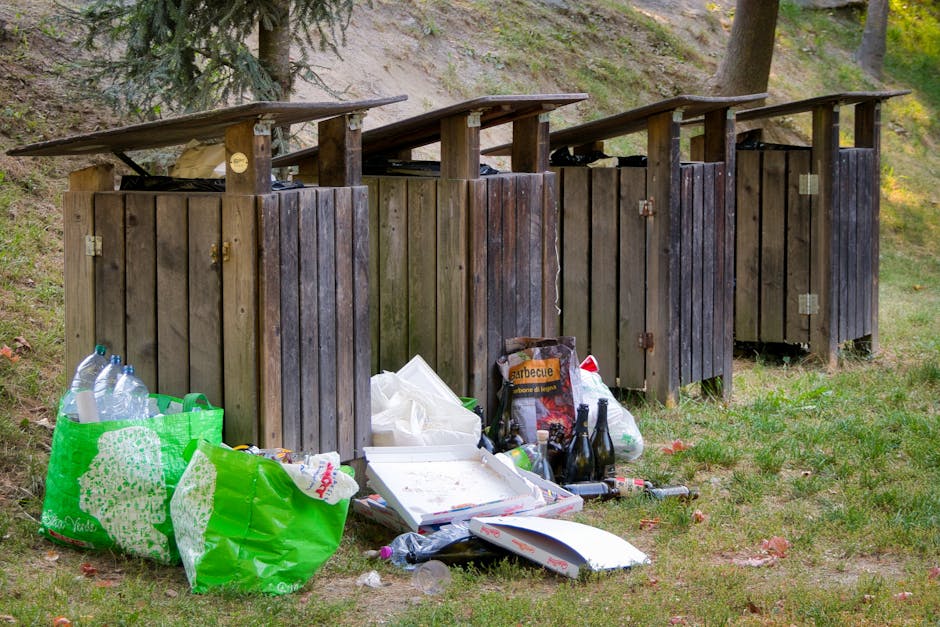
If you have ever tried to arrange rubbish collection in SE26 and thought, "Why is this taking so long?", you are not alone. The common problems when booking rubbish collection in SE26 are usually not dramatic on their own, but they add up fast: unclear prices, awkward access, missed timings, confused waste types, and that last-minute panic when the heap in the hallway is still there at 4pm. Not ideal, really.
This guide breaks down what tends to go wrong, why it happens, and how to avoid the usual headaches before you book. Whether you are clearing a flat, a garage, a garden, or a business space, the aim is simple: make the booking smoother, safer, and less stressful from the start.
We will also cover the practical details people often miss, like access issues, what to ask before confirming, and how to compare options without getting caught out by hidden extras.
Why Common problems when booking rubbish collection in SE26 Matters
Booking rubbish removal sounds straightforward until you are actually trying to do it. Then the little details show up. Is the waste mainly household junk, builder's rubble, old furniture, or mixed items? Can a van get close enough to your property? Is there enough notice? Does the quote include labour, loading, disposal, and VAT? If any of those are unclear, the whole thing can wobble.
In SE26, that matters because properties and access vary a lot. You have terraced streets, flats with shared entrances, steep drives in some spots, side paths that barely fit a wheelbarrow, and busy roads where loading has to be done carefully. A collection that works brilliantly for one address may be awkward at the next one down the road.
And let's be fair, most people booking rubbish collection are already under pressure. You might be moving house, clearing after renovations, sorting an inherited property, or just trying to get your weekends back. When the booking process adds friction, the job feels bigger than it really is.
Key point: the most common issues are rarely about the rubbish itself. They are usually about communication, access, timing, and expectations.
How Common problems when booking rubbish collection in SE26 Works
At a basic level, rubbish collection booking follows a simple pattern: you describe the waste, get a quote, confirm a time, and the team removes the items. Easy on paper. In practice, the problems tend to happen between those steps.
The most common breakdowns are:
- Misdescribing the waste - for example, saying it is "a bit of junk" when it is really a mixed load with heavy items, cardboard, timber, and a broken appliance.
- Underestimating volume - bags, loose items, and bulky furniture can look smaller in a photo than they do on arrival.
- Forgetting access details - tight stairwells, permit-only parking, gated entry, or a third-floor flat without lift access all affect planning.
- Assuming the quote is all-inclusive - some quotes may not cover awkward loading, specialist waste types, or additional labour.
- Booking too late - especially before a move, end-of-tenancy deadline, or renovation handover.
To be fair, none of that is unusual. It just means booking well is less about "finding any collection" and more about matching the right service to the actual job. A few extra minutes upfront can save a lot of grief later. Strange how that works.
If you are comparing service pages, it also helps to understand the broader options available. For example, some jobs are more like a full waste removal visit, while others may be better suited to a specific service such as furniture clearance or garden clearance.
Key Benefits and Practical Advantages
When the booking goes right, rubbish collection saves time, keeps your property safer to move around, and stops clutter from dragging on for weeks. That is the obvious part. The less obvious benefit is reduced decision fatigue. Once the collection is confirmed properly, you stop second-guessing every pile in the corner.
Some practical advantages of getting the booking process right include:
- Fewer surprises on the day - the team arrives with the right vehicle, staffing, and understanding of the load.
- Better pricing confidence - you know what is included before the collection starts.
- Less disruption - especially important if the collection is happening during a move, refurbishment, or office clear-out.
- Safer handling - heavy, awkward, or sharp items are dealt with properly rather than being dragged through narrow spaces.
- Better sorting and recycling potential - a clear description of the waste often makes responsible disposal easier.
There is also a calmness factor that people underestimate. Once the old sofa, broken shelving, and builders' offcuts are gone, the room suddenly feels twice as large. You notice the light again. The air feels fresher. Bit dramatic? Maybe. But if you have lived with clutter for a while, you will know exactly what I mean.
Who This Is For and When It Makes Sense
This topic is relevant for a lot of people in SE26, not just homeowners. In real terms, it is useful for anyone who needs waste gone without a long-winded process or a council-style wait. That includes:
- people clearing a flat, house, loft, or garage
- landlords preparing a property between tenancies
- small businesses needing office or stockroom clearance
- tradespeople handling builders' waste after a job
- gardeners or homeowners after a heavy cut-back
- families managing bulky items, old appliances, or mixed household waste
It makes sense to book rubbish collection when the waste is too bulky for a normal car load, too messy for a DIY trip to a disposal site, or simply too time-sensitive to leave lying around. That said, if you only have a few small bags, it is worth checking whether a larger collection is actually necessary. No need to overdo it if the job is tiny.
A good rule of thumb: if the waste is mixed, heavy, awkward, or tied to a deadline, early booking usually pays off.
Step-by-Step Guidance
Here is a practical way to avoid the usual booking problems before they start.
- List everything you want removed. Walk through the space and note the items rather than guessing from memory. It is easy to forget things tucked behind doors or in corners.
- Separate waste by type where possible. Furniture, green waste, cardboard, appliances, and construction waste can all affect the quote and collection method.
- Take clear photos. A wide shot and a closer shot usually help more than a vague description. If there is anything bulky, include it in the photo.
- Check access details. Think about parking, stairs, lifts, gated entry, permits, and whether the team will need to carry waste a long distance.
- Ask what is included. Make sure the price covers collection, loading, disposal, and any likely extras. If something is excluded, get it explained plainly.
- Confirm timing. Ask whether the collection window is fixed or flexible. If your day is packed, that matters more than you might think.
- Prepare the waste before arrival. Put items in one place where possible, but do not block exits or stack unsafe loads.
- Keep contact details handy. A quick call or text can solve small access issues fast. You do not want a van waiting while everyone is hunting for a key or code.
For bigger household jobs, it can also help to look at related services such as house clearance or home clearance if the rubbish forms part of a wider declutter.
Expert Tips for Better Results
In our experience, the best collections are the ones where nobody has to guess. That sounds obvious, but a surprising number of problems come from assumptions rather than bad service.
Here are a few practical tips that make a real difference:
- Be honest about volume. If you think it might be two loads, say so. Underquoting almost always creates friction.
- Mention awkward items upfront. Fridges, mattresses, old paint tins, and damaged electronics may need special handling.
- Flag parking restrictions early. SE26 streets can be tight in parts, and a van that cannot stop safely can delay the whole job.
- Choose the right service type. A general rubbish collection is not always the best fit for every item set. Sometimes a focused service works better.
- Book with a realistic time window. If you need the collection before school pickup, a delivery slot, or a tenancy handover, do not leave it vague.
One tiny but useful trick: keep the collection area open the night before. Sounds minor, but if there is a chair, bin, or bike in the way, it can slow things down right when everyone is trying to move quickly.
If your waste includes items that need extra care, look into dedicated pages like fridge and appliance removal, mattress and sofa disposal, or hazardous waste disposal rather than assuming everything can be taken in one go.
Common Mistakes to Avoid
Most booking issues are preventable. That is the good news. The less good news is that people keep making the same mistakes because they are rushing.
- Booking based on a rough guess. "It's only a small pile" is famous last words in waste removal.
- Forgetting mixed waste can change the job. A load with wood, metal, appliances, and bagged waste may need different planning from a pile of cardboard.
- Not asking about access or parking. This is probably the biggest avoidable issue, especially in denser parts of SE26.
- Hiding awkward items until the day. That broken freezer in the back yard? Mention it. Don't be shy.
- Ignoring the final cost breakdown. The cheapest headline price is not always the cheapest real outcome.
- Leaving everything until the last minute. This is how a manageable job becomes a stressful one, usually on a Friday afternoon. Naturally.
Another common slip is forgetting that not every provider handles every type of waste. If you have office materials, locked drawers, or sensitive paperwork, a service such as confidential shredding may be more appropriate than a standard collection.
Tools, Resources and Recommendations
You do not need fancy tools to book rubbish collection well. A phone, a few photos, and a short waste list will usually do most of the heavy lifting. Still, a few practical resources help:
- Room-by-room checklist - walk through the property and note everything by space.
- Photo folder on your phone - keep all waste images together so you can send them quickly if asked.
- Access notes - write down gate codes, parking limits, stair counts, and any neighbour considerations.
- Item grouping - separate furniture, garden waste, appliances, and builder's materials before the collection day if you can.
- Quote comparison notes - compare what each provider includes, not just the headline figure.
For larger clear-outs, related pages such as loft clearance, garage clearance, and office clearance can help you match the service to the actual job instead of forcing everything into one generic category.
If you are also trying to be more thoughtful about what gets thrown away, the site's recycling and sustainability page is useful background for how waste can be handled more responsibly.
Law, Compliance, Standards, or Best Practice
Waste removal in the UK is not something to take casually. You do not need to become an expert in waste law just to book a collection, but there are a few sensible best-practice points to keep in mind.
First, a reputable waste carrier should be able to explain how your waste will be handled and whether certain items need special treatment. If a quote feels vague about disposal, that is worth questioning. Second, hazardous items should never be mixed in with standard household waste unless the provider explicitly says they can handle them safely and legally. Third, it is wise to keep records of what was collected, especially for business or landlord jobs where traceability matters.
For business customers, waste handling often needs a bit more care because the obligations around storage, disposal, and privacy can be tighter. That is one reason services like business waste removal exist as a separate option from ordinary household clearance.
Best practice also includes simple safety basics: do not overstack items, do not leave sharp objects loose, and do not ask staff to carry something you know is unstable or contaminated without warning them first. Common sense, really, but common sense is often what saves the day.
Options, Methods, or Comparison Table
When booking rubbish collection in SE26, you usually have a few ways to tackle the job. The right choice depends on the amount of waste, the type of items, your budget, and how much time you want to spend handling it yourself.
| Option | Best for | Pros | Possible drawbacks |
|---|---|---|---|
| General rubbish collection | Mixed household or light commercial waste | Flexible, quick, straightforward | May not suit specialist or restricted items |
| Dedicated furniture or appliance removal | Bulky single items or a few large pieces | Clear pricing, simple planning | Less useful for mixed loads |
| House or home clearance | Full-room, property, or move-related clear-outs | Good for larger jobs, more comprehensive | Can be more than you need for a small pile |
| Garden or builders' waste collection | Outdoor waste, cuttings, rubble, renovation debris | Better suited to heavy or messy material | Requires accurate description of waste type |
If you are unsure which route fits, compare your waste against a service-specific page rather than trying to make a guess. For example, builders waste clearance is a more natural fit for renovation debris than a general household collection, while furniture disposal can be cleaner and simpler for bulky items only.
Truth be told, the "best" option is usually the one that matches the waste without forcing extra work onto either side.
Case Study or Real-World Example
Imagine a second-floor flat in SE26 after a long-overdue declutter. There is an old sofa, a broken desk, three bags of mixed junk, a wardrobe shelf, and a couple of small appliances tucked into the hallway. The resident wants it gone before new furniture arrives the next morning. Fair enough.
If the booking is vague, a few problems are likely. The team might arrive expecting light household waste but find a bulky load with awkward carrying routes and tight stair access. The resident may also assume the price includes everything, while the provider may have priced only for easy loading. Then there is the parking issue: if the street is busy and the vehicle cannot stop near the entrance, the job becomes slower and potentially more expensive.
Now compare that with a better booking. The resident sends photos, lists the items clearly, mentions the stairs, and flags the parking situation. The provider quotes accurately, arrives prepared, and completes the collection with far less back-and-forth. Same waste. Completely different experience.
That is the real lesson here. A rubbish collection rarely goes wrong because the waste exists. It goes wrong because the booking missed a detail that mattered.
Practical Checklist
Use this checklist before you confirm any rubbish collection in SE26:
- List every item or waste type you want removed.
- Take clear photos from more than one angle.
- Check whether the waste is mixed, bulky, heavy, or specialist.
- Confirm access details: stairs, lifts, gates, parking, and entry codes.
- Ask exactly what the quote includes.
- Ask whether there may be extra charges for awkward loading or special items.
- Make sure the collection window works with your day.
- Move items somewhere safe and easy to reach if possible.
- Separate anything hazardous, fragile, or confidential.
- Keep your phone nearby on collection day in case the team needs a quick update.
If you can tick most of those off, you are already ahead of the average booking. Honestly, that alone makes the day feel calmer.
Conclusion
The common problems when booking rubbish collection in SE26 usually come down to a few familiar things: unclear waste descriptions, poor access planning, rushed timing, and price assumptions that were never checked properly. None of that is unusual, and none of it is hard to avoid once you know what to look for.
The best approach is simple. Describe the waste honestly, think through access before you book, ask what is included, and choose the service that genuinely fits the job. Do that, and the whole process becomes much less stressful. You do not need to overcomplicate it. Just give the collection a fair shot at going smoothly from the start.
Get a free quote today and see how much you can save.
And if all you really wanted was one less thing to think about this week, that is perfectly understandable. One clear booking, one cleared space, and a bit more breathing room. That counts for a lot.
Frequently Asked Questions
What are the most common problems when booking rubbish collection in SE26?
The biggest issues are usually vague waste descriptions, inaccurate volume estimates, access problems, parking restrictions, and unclear pricing. These are all avoidable if you share enough detail before the booking is confirmed.
How do I avoid hidden charges when booking rubbish collection?
Ask for a clear breakdown of what the price includes and whether there are extra charges for stairs, heavy lifting, awkward access, or special waste items. Photos help a lot, because they reduce the chance of surprises later.
Why does access matter so much for rubbish collection?
Access affects how long the job takes and whether the vehicle can park close enough to load efficiently. In some SE26 streets, tight parking or narrow entrances can change the quote or the timing.
Can I book rubbish collection for a mix of household and garden waste?
Yes, often you can, but it is better to describe the mix clearly. Mixed waste may need different handling from a single waste type, especially if it includes heavier or awkward items.
Is same-day rubbish collection always available in SE26?
Sometimes it is, but not always. Same-day bookings depend on schedule availability, the size of the job, and how straightforward the access is. If your timing is fixed, book as early as you can.
What information should I have ready before I request a quote?
Have a list of items, photos, approximate volume, access details, and any special concerns such as stairs, parking, or hazardous items. The more accurate your details, the more reliable the quote will be.
What if I am not sure how much rubbish I have?
Send photos and explain what you can see. If you are stuck between two estimates, mention the larger one. It is usually better to slightly overdescribe the load than to understate it.
Are there certain items that need special handling?
Yes. Appliances, mattresses, sofas, confidential paperwork, and hazardous materials may need specific handling or separate arrangements. Always mention these early so nothing is left to chance.
Should I choose a general rubbish collection or a more specific clearance service?
If your load is mixed and simple, a general service may be fine. If the waste is mainly furniture, garden waste, builder's debris, or office material, a more specific service is often a better fit.
How can I prepare my property for collection day?
Clear a path to the waste, move fragile items out of the way, check that gates or entrances will be open, and keep any access codes handy. Small prep steps make the job faster and safer.
What should I do if the booking seems unclear or rushed?
Pause and ask for clarification before confirming. If the provider cannot explain what is included, how access affects the job, or how specialist items are handled, it is sensible to slow down and reassess.
Is it better to book rubbish collection early in the day?
Often, yes, especially if you have deadlines or other trades arriving later. Earlier slots can give you more room to deal with unexpected delays without the rest of the day unravelling.
Can rubbish collection help with a full house or flat clear-out?
Yes, and in many cases a clearance-style service is the more practical choice. If the job is larger than a few bags or a couple of bulky items, a dedicated clearance page may be more suitable.
What is the simplest way to make the booking process smoother?
Be specific. That is the whole trick. Good photos, honest descriptions, access details, and a clear idea of what needs removing usually solve most booking problems before they start.