Commercial Waste Removal in Sydenham
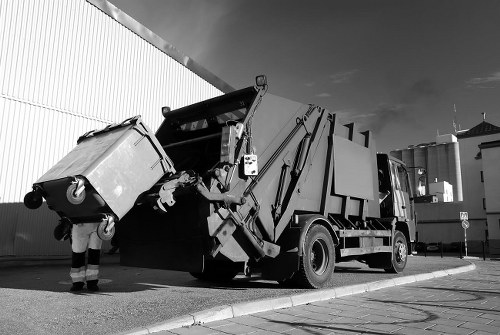
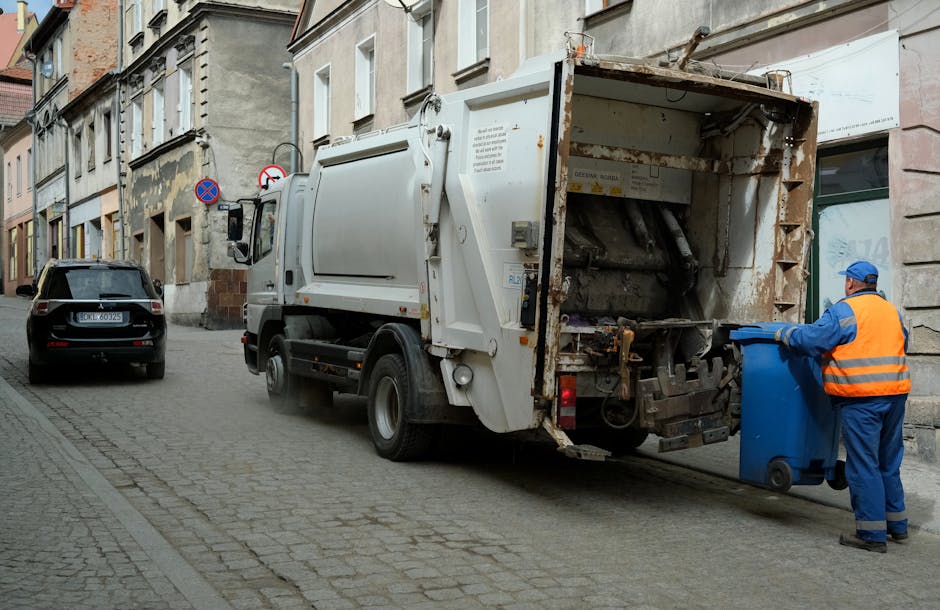
Commercial waste removal in Sydenham supports shops, offices, workshops, landlords and managed premises that need a practical way to clear unwanted materials without interrupting the working day. Our service focuses on the collection and responsible handling of everyday business waste, bulky items and mixed non-hazardous rubbish, with an emphasis on separating useful material where possible and removing the rest efficiently. If your premises are producing regular surplus or a one-off accumulation, the aim is to keep the process orderly, compliant and straightforward.
We handle a broad mix of commercial waste streams, including general office rubbish, packaging, broken fixtures, furniture, shelving, stockroom clutter and other items that can build up behind the scenes. This can suit businesses preparing a move, tidying a storage area, replacing furniture or clearing a room that has become difficult to use. Our approach is designed to be calm and well organised, so the waste is removed in a way that supports your operations rather than disrupting them.
For a quotation, it helps to describe the type of waste, how much there is and where it is located on the premises. Clear access details, loading restrictions and timing preferences all help shape a useful estimate, especially where items are upstairs, in a basement, or spread across several rooms. You can use the information on this site to judge which service best fits the job, then request a quotation when you are ready.
Business waste collection for everyday operations
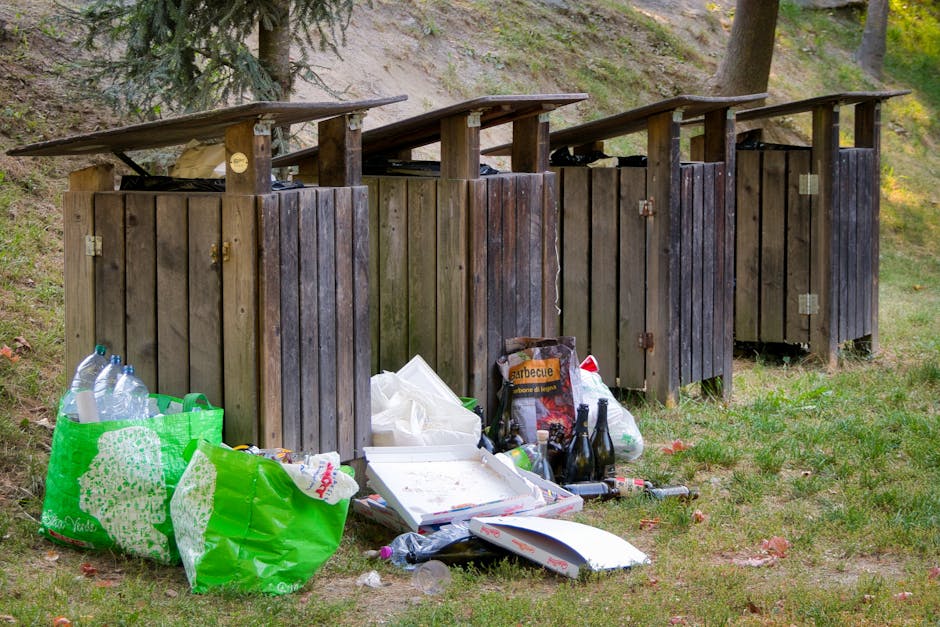
Business waste collection is often needed when regular bin capacity is not enough for the volume a site generates. Offices may have folders, cardboard, IT packaging and worn furnishings to move; retailers may need old display stock and damaged shelving taken away; hospitality premises may be left with mixed refuse after refits or seasonal changes. The point of the service is not only to remove items, but to keep the site clear enough for staff to carry on using the space productively.
Commercial waste can include recyclable material, reusable items and ordinary rubbish, and the right handling depends on what is being collected. Where possible, useful materials should be separated from general waste so they can enter appropriate recovery routes. That matters for businesses wanting a cleaner handover of a room, a tidier back-of-house area or a more manageable stock room. If you need to arrange a collection, use the service details that best match the waste type and then ask for a price once you know the scope.
Office clearance and workspace tidy-ups

Office clearance is suited to desks, chairs, filing units, cupboards, partitions and assorted workplace waste that accumulates during reconfiguration or end-of-lease work. A clear office is easier to repurpose, whether you are reducing headcount, replacing furniture or simply making room for a different layout. The work can be tailored to the quantity and arrangement of items, from a few redundant pieces to a fuller room clearance, provided the waste is suitable for removal.
Good office clearance usually means thinking in practical categories rather than dumping everything into one pile. Furniture, stationery waste, archive material, broken equipment and packaging all behave differently once loading starts, and separating them early can help the collection move smoothly. It also makes it easier to direct salvageable items away from general disposal. If you are comparing options, this page gives you a clear starting point for planning the work and deciding whether a focused office clearance or a broader waste removal visit is the better fit.
Typical office items collected under this kind of work may include filing cabinets, task chairs, small meeting tables, reception furniture, cardboard packaging, loose paperwork and damaged storage units. Heavier items often need more careful handling than bagged waste, so access and lifting routes matter. When you are ready, send the details that define the job and use the quotation route on the site to move the process forward.
Furniture disposal and bulky item removal
Furniture disposal covers the collection of unwanted business furnishings that no longer suit the premises, including desks, tables, chairs, cabinets, shelving and storage pieces. Many organisations need this when a room is being updated or when old items have become impractical to keep. Bulky item removal can be especially helpful where furniture is too large for ordinary bins or too awkward to break down without time and labour.
Not every piece needs the same treatment. Flat-packed shelving, modular seating and wooden units may be easier to remove than items built into a room, while upholstered pieces, mixed materials and heavier desks often require more care. A thoughtful approach helps prevent avoidable damage to corridors, door frames and shared building spaces. If you are unsure whether a piece belongs in this category, treat it as a furniture removal enquiry and describe it plainly rather than trying to guess the right label.
Clearances for stockrooms, garages and storage areas

Storage areas often become the place where obsolete fixtures, spare packaging, broken equipment and forgotten materials accumulate. Garage clearance, loft clearance and similar storage-focused work can recover usable space for business storage, site maintenance or safer access. These jobs are rarely about a single item; more often they involve mixed contents that have been built up over time and now need sorting before they can leave the premises.
For businesses, a useful clearance is one that respects how the space is being used. A stockroom may contain saleable goods alongside empty boxes, while a garage or outbuilding may hold tools, site materials and old shelving. Separating those layers before removal helps keep recoverable items apart from waste and supports a more efficient collection. If you need several items gone from one storage area, a single clearance is often more practical than arranging multiple smaller visits.
Commonly cleared storage contents include redundant stock packaging, broken containers, damaged racking, old signage, cleaning materials, spare furnishings and mixed clutter. Because these spaces vary so much, the best quotation depends on the access, floor level and amount of sorting needed. It is sensible to prepare a brief inventory and note any awkward access before you request the price.
House, flat and home clearances for managed properties
House clearance, flat clearance and home clearance are useful for managed properties, rental units, probate-related work and general domestic clear-outs connected to business operations. Landlords, letting agents and property managers sometimes need a property emptied quickly and methodically so it can be cleaned, repaired or prepared for the next stage. The service deals with the contents rather than the decoration, and it can be adapted to the layout of the property and the volume involved.
These clearances often include furniture, soft furnishings, white goods, small household items, boxes and general mixed belongings. The work becomes easier when items are grouped sensibly, especially where some contents are to be kept, donated or moved elsewhere. We keep the focus on removal and responsible handling, not on unnecessary disruption. If you need a property emptied for business reasons, a straightforward explanation of what remains inside helps to shape a realistic quotation and a sensible plan for the visit.
Appliance, mattress and sofa disposal
Some waste needs a more specific route because of its size, material mix or handling requirements. Fridge and appliance removal covers items such as fridges, freezers, washing machines and other large domestic or office appliances that are no longer needed. Mattress and sofa disposal is similar in that the item is bulky, awkward to carry and not suited to ordinary rubbish collection. These services help with clear-outs where one or two large objects hold up the rest of the job.
Large items often need to be removed carefully to avoid scuffs, breakages or blockages on the way out. In shared buildings, narrow stairwells, corners and lifts can all influence the pace of removal, so it is better to flag those points in advance than to leave them until collection day. If the job also includes related furniture or general rubbish, a combined collection may be more practical than arranging separate visits. The most useful approach is to describe the item type, quantity and access conditions in one clear note.
About Sydenham
Sydenham is a district in south-east London associated with the historic county of Kent and now part of the London Borough of Lewisham. It sits on higher ground compared with several surrounding areas and is well known for its long residential streets, local shopping parades and rail connections. The district grew significantly in the nineteenth century as suburban development spread outward from central London, and its built environment still reflects that period through terraces, villas and later infill housing. The area’s transport links have long shaped its character, with Sydenham station opening in 1839 and the nearby rail network helping to support movement into and across south London. Crystal Palace Park lies close by and remains one of the most prominent landmarks connected with the wider district, drawing visitors to its open spaces, lakes and historic features. The local high street is complemented by smaller clusters of shops and services, while surrounding residential roads create a largely urban setting with pockets of greenery. Mayow Park, with its mature trees and open grassed areas, gives the district one of its best-known public green spaces. The route of the old Crystal Palace high-level line also forms part of the area’s layered history, reminding visitors that transport and suburb-building have been central to Sydenham’s development. Taken together, these features give the district a mix of everyday neighbourhood life, Victorian-era structure and access to larger cultural and recreational spaces nearby.
Pricing factors, access and operational planning
Commercial waste prices are usually shaped by the amount of material, the type of waste, how easy it is to load and whether items need sorting before removal. A room full of light packaging is different from a few heavy filing cabinets, and a ground-floor collection is different from a site with stairs, narrow corridors or limited parking. Where waste is mixed, bulky or spread across several parts of a property, the quotation must account for the practical effort involved, not just the visible volume.
It is also sensible to think about access before the visit. Parking permissions, building opening times, lift restrictions and loading routes can all affect the ease of the job. If there are items that must remain in place, or if a room is to be cleared in stages, make that clear from the start so the plan fits the premises. Simple preparation helps the collection move cleanly, but it should remain proportionate; there is no need to overcomplicate the process with unnecessary sorting if the job is straightforward. For many customers, the best next step is simply to outline the waste and move towards a quotation.
Where a site generates ongoing waste rather than a one-off clear-out, it may help to schedule collections around deliveries, refurbishment work or the rhythm of staff use. That allows rubbish to be removed without blocking normal activity. A well-timed collection can also reduce the chance that waste becomes a safety issue in corridors, stock areas or shared entrances. If the premises produce varied waste types, it is worth stating that in advance so the collection can be matched to the likely load.
Recycling, recovery and responsible disposal
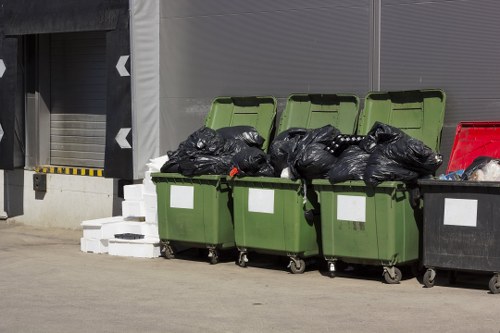
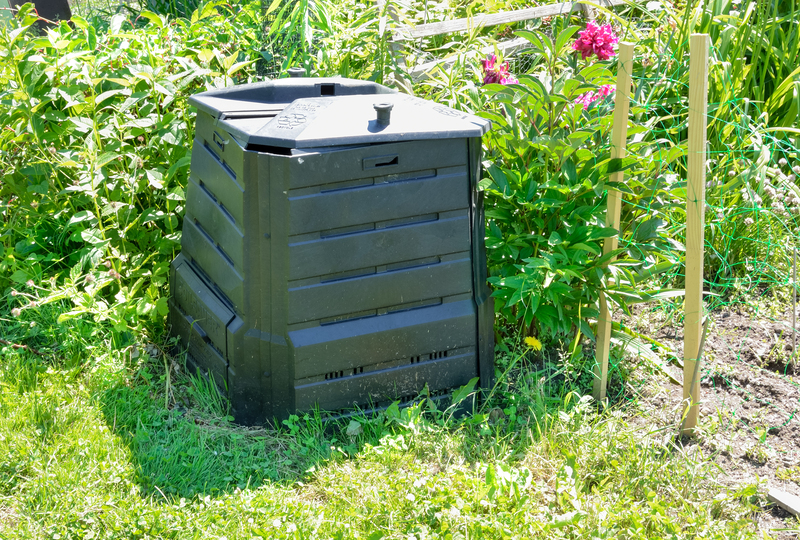
Responsible commercial waste removal is not only about taking items away. It also involves deciding which materials can be separated for recycling or recovery and which need disposal through the correct route. Cardboard, metals, untreated wood, some plastics and reusable furnishings may all need different handling once they leave the premises. The objective is to avoid unnecessary landfill where suitable alternatives exist, while keeping the process practical for the customer.
For many businesses, this part of the service matters because it turns a cluttered area into a manageable one without creating a second problem elsewhere. If waste is mixed, the loading and sorting stage becomes especially important, as it allows recoverable material to be identified before the final disposal route is chosen. Careful segregation also supports more orderly collections when multiple item types are present. If you want to understand which service best fits your waste, compare the item groups on this site and select the most relevant one before you enquire.
Book the right commercial collection
Whether you need a one-off clearance or a targeted collection of bulky items, the simplest route is to match the job to the service that most closely describes the waste. That may mean business waste removal for routine mixed rubbish, office clearance for workstations and furniture, furniture disposal for larger items, or a property-based clearance where the contents of a space need to be removed more comprehensively. The clearer the description, the more useful the quotation will be.
If you are preparing an enquiry, keep it practical: what needs removing, how much there is, where it is located and any access issues that could affect loading. You do not need to overstate the job; a plain description is usually enough to begin. For businesses and property managers, prompt, specific information often makes the next step simpler. Make your quotation request now when you are ready to proceed.
For a final step, use the quotation and booking options on the site to send the details of your commercial waste removal in Sydenham, and we will respond using the information you provide.