Complaints Procedure for Commercial Waste Removal Sydenham
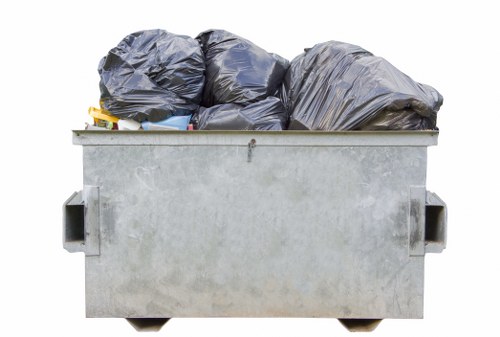 Purpose: This Complaints Procedure explains how issues relating to commercial waste removal Sydenham services are handled. It applies to all clients who use our commercial rubbish collection, waste removal and disposal services across the service area and to situations involving contractors working on our behalf. The aim is to provide a clear, fair and timely process that resolves concerns while ensuring legal compliance and protecting public health and the environment.
Scope and definitions: A complaint is any expression of dissatisfaction about the standard of service, missed collections, spillage, documentation, invoicing related to commercial waste removal in Sydenham, or behaviour of personnel. This does not cover requests for new services or routine enquiries, which are handled through standard service channels. We record complaints about commercial rubbish removal Sydenham separately to monitor trends and identify opportunities for improvement.
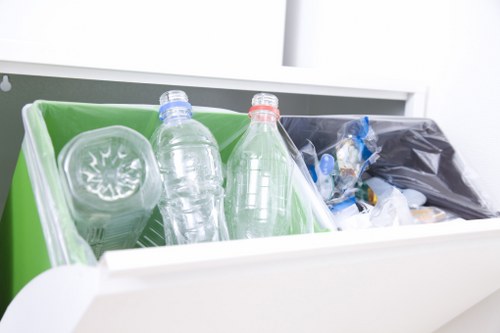 How to submit a complaint: Complaints should be submitted in writing where possible, and should include: the nature of the concern, date and time of the incident, relevant account or reference numbers if available, and any photographs or supporting evidence. You may submit a complaint by post, electronic form or other documented channel provided by the service operator; verbal concerns will be recorded if raised during service hours. Please note that for legal and privacy reasons we do not accept or act on anonymous allegations without sufficient detail.
Acknowledgement, initial response and timescales
Acknowledgement: On receipt we acknowledge your complaint promptly, usually within two working days. The acknowledgement will state who is responsible for handling the matter and the expected timeframe for a full reply. For complex matters that may affect health, safety or legal obligations, the acknowledgement will also outline any immediate actions being taken to secure public safety and environmental protection.
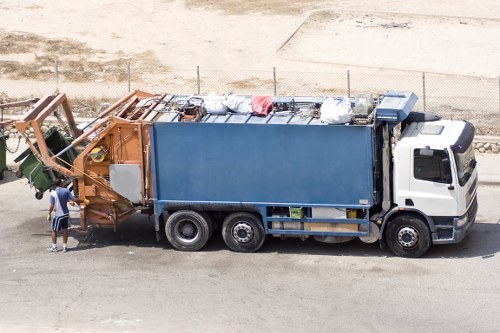 Initial assessment and prioritisation: Complaints are triaged according to severity and potential risk. High-priority matters, such as hazardous waste incidents, environmental spills or repeated failures to collect commercial waste, are escalated immediately and investigated on an expedited basis. Lower priority service issues, such as scheduling or administrative disputes, follow the standard investigation timeline.
Investigation: The investigation will:
- gather and review service records and manifest documentation;
- interview relevant staff or subcontractors involved in the collection or disposal;
- examine any photographs, site reports or CCTV where applicable;
- evaluate compliance with permits, waste transfer documentation and other regulatory records.
Decision, remedies and communication
Decision and communication: After investigation, we will respond with the outcome, explaining the findings, any corrective actions taken or proposed, and the rationale. Responses will be clear and evidence-based. Where negligence, breach of procedure or regulatory non-compliance is found, remedial measures will be communicated, and actions taken to prevent recurrence.
Possible remedies: Remedies may include a formal apology, operational changes to collection schedules, additional training for staff, corrective cleaning or remediation of spillage, or adjustments in billing if an error is identified. In instances where health or legal obligations are implicated, we will notify relevant authorities as required and record the notification in our complaints log.
 Timescales for resolution: We aim to resolve most complaints within 15 working days of receipt. Complex investigations, especially those requiring external specialist input or regulatory liaison, may take longer; in such cases we will provide interim updates and a revised timeframe for resolution.
 Escalation and independent review: If you remain dissatisfied after receiving our decision, you may request escalation within the organisation. An internal review will be carried out by a senior manager not previously involved in the handling of the complaint. For disputes that cannot be resolved internally, the procedural pathway may include an independent review or arbitration as appropriate under applicable regulatory frameworks for commercial waste services, always preserving the legal rights of all parties.
Record-keeping and confidentiality: All complaints and related records are retained for a period consistent with regulatory requirements and company policy. Records include communications, investigation notes, evidence, corrective actions and outcomes. Personal data is processed in accordance with data protection requirements and is only shared with third parties where necessary for the investigation, legal compliance or safety reasons.
Continuous improvement: We commit to learning from complaints about commercial waste collection Sydenham processes. Complaints are analysed regularly to identify trends and systemic issues. Improvements might include operational changes, enhanced training, revised contractual terms for subcontractors, or updates to permit compliance procedures. We treat every complaint as an opportunity to improve service quality and environmental protection.
Accessibility and fairness: This procedure is designed to be accessible and non-discriminatory. Reasonable adjustments will be made to assist complainants with disabilities or those requiring alternative formats. The process ensures impartiality, timely responses and that no individual will face retaliation for raising legitimate concerns about waste removal operations.
Review of the complaints procedure: The complaints procedure itself is reviewed periodically to ensure it remains effective, transparent and compliant with evolving regulations and best practices for commercial rubbish removal services. Changes to the procedure will be recorded and implemented with appropriate staff training and stakeholder communication.
