Health and Safety Policy — Commercial Waste Removal Sydenham
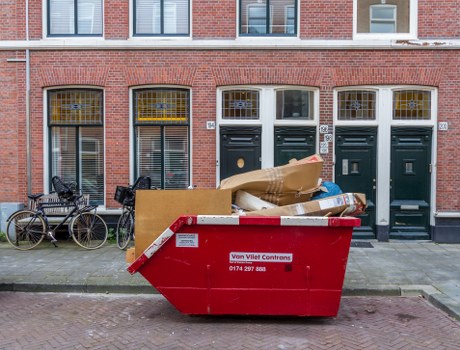 Purpose: This Health and Safety policy sets out the approach and obligations of our commercial waste removal operation within the defined rubbish company service area. It reflects a commitment to protect employees, contractors, clients and members of the public from risks associated with commercial waste collection, transfer and disposal. The policy is designed to be practical and proportionate to the scale of operations, emphasising safe working systems, ongoing risk assessment and a culture of continuous improvement.
Scope: The policy applies to all activities carried out by the commercial waste removal team, including pre-collection planning, skip and bin handling, on-site clearance, vehicle loading and transportation, and interaction with premises used by commercial clients. It covers routine municipal rubbish collection work and specialised commercial waste services while ensuring that all operatives follow standard precautions when encountering hazardous or unknown materials.
 Responsibilities: Ultimate responsibility for health and safety rests with senior management, who will ensure that resources, training and monitoring systems are in place. Supervisors are accountable for day-to-day enforcement of safe working practices, and individual operatives are responsible for following procedures, reporting hazards and using issued safety equipment. The company will document responsibilities and keep records to demonstrate effective management across the rubbish removal service area.
Risk Management and Control Measures
Risk assessment: All activities will be subject to regular and documented risk assessments that identify hazards specific to commercial waste handling, such as manual handling strains, sharps and contaminated waste, chemical spills, traffic movements and vehicle-related risks. Assessments will be updated when new sites, equipment or methods are introduced. Risk controls will follow a hierarchy: elimination, substitution, engineering controls, administrative controls and personal protective equipment (PPE).
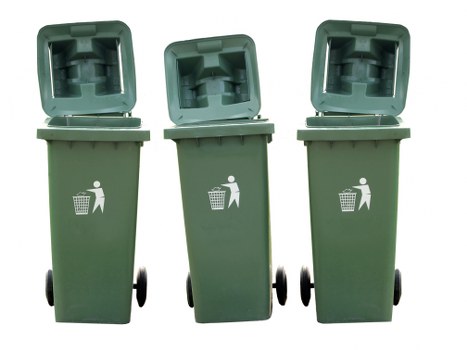 Safe systems: Standard operating procedures will cover safe lifting techniques, secure loading of refuse vehicles, segregation of waste streams and the management of hazardous materials. Staff will be trained to recognise potentially dangerous items and to isolate and report unknown waste until specialist assessment is completed. The policy promotes the use of mechanical aids where practical and enforces exclusion zones during mechanical loading operations to reduce manual handling incidents.
Personal protective equipment: Appropriate PPE including high-visibility clothing, gloves, safety boots, eye protection and respiratory protection where required will be provided and maintained. Use of PPE is mandatory where risk assessments identify residual risk after other controls have been applied. Supervisors will ensure PPE is worn consistently across the rubbish collection and commercial waste removal teams and will replace damaged or ineffective equipment promptly.
Training, Competence and Communication
Training and competence: All staff engaged in commercial rubbish removal and related services will undergo induction, job-specific training and refresher training at intervals determined by operational risk and incident history. Training includes safe manual handling, correct use of PPE, vehicle load securing, segregation of waste types, incident reporting and spill response. Records of training and competence assessments will be retained for audit and review.
Information and communication: The company will maintain clear, accessible documentation of safe working procedures and ensure operatives have access to up-to-date safety information. Toolbox talks and briefings will be held regularly to highlight seasonal hazards, changes to procedures or findings from incident investigations. Contractors and temporary staff working within the waste removal service area will receive the same safety briefing and supervision as permanent staff.
Vehicle and equipment safety: Fleet vehicles used for commercial waste collection will be subject to planned maintenance, daily driver checks and secure load procedures. Operators will be trained in vehicle-specific safe operation and vehicle safety technology (e.g., reversing alarms, camera systems) will be used to reduce workplace incidents. Maintenance records and defect reporting systems will be actively monitored.
Emergency preparedness: Procedures will be established for incidents including injury, fire, chemical spill or contamination. Emergency response plans will include contact lists for emergency services, on-site isolation protocols and first aid arrangements. Regular drills or scenario exercises will be run to test response capability and ensure that employees understand their roles in an emergency within the commercial rubbish collection environment.
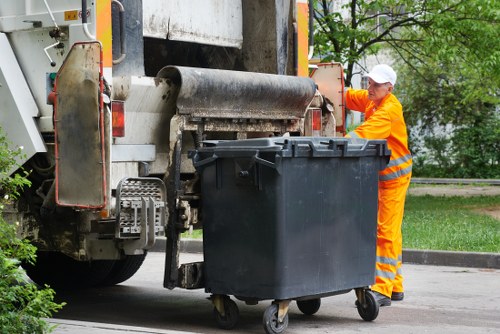 Monitoring and performance: The company will use a range of monitoring measures — including site inspections, vehicle checks, safety audits and incident trend analysis — to measure health and safety performance across the waste removal service area. Where incidents or near-misses occur, investigations will be conducted to determine root causes and corrective actions. Findings will be shared to prevent recurrence and to promote a learning culture.
 Continuous improvement and review: This policy will be reviewed annually and when significant changes occur in operations, equipment or regulatory expectations. Improvement actions will be prioritised based on risk and effectiveness. The company is committed to working with staff, clients and contractors to raise standards and adopt best practices for commercial waste handling, disposal and recycling, while maintaining a safe working environment for all stakeholders.
- Key commitments: maintain safe systems, provide training, supply and enforce suitable PPE.
- Operational controls: carry out risk assessments, ensure vehicle safety, segregate dangerous waste.
- Management actions: monitor performance, investigate incidents, review policy annually.
Statement: By implementing and enforcing this Health and Safety policy for commercial waste removal operations, the company commits to reducing harm, protecting the workforce and delivering reliable rubbish collection and clearance services across the service area in a professional and responsible manner.
