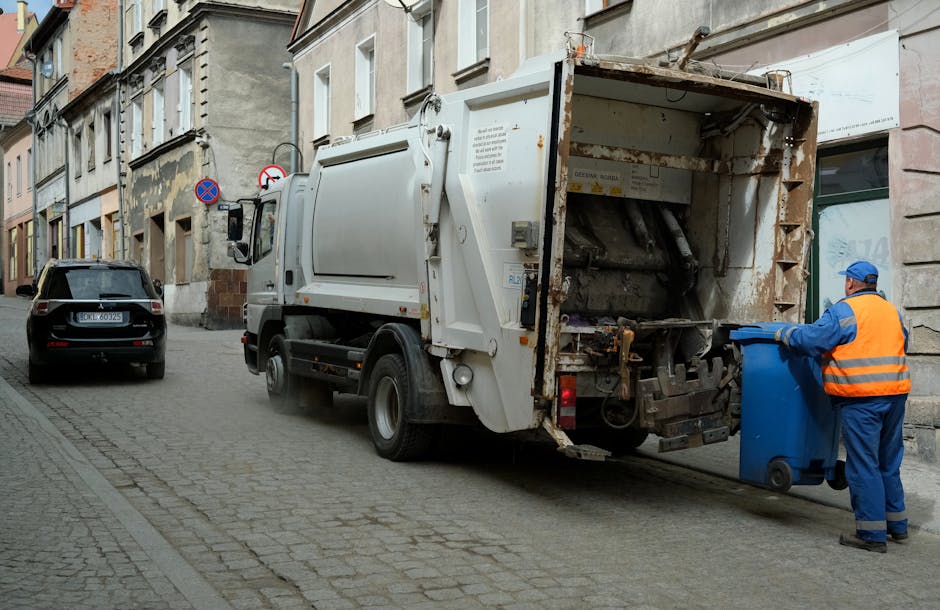
Dacres Road bulky waste removal options Sydenham: a practical guide for homes, flats and busy local clearances
If you are staring at an old sofa by the hall, a broken wardrobe in the spare room, or a pile of mixed bulky items that simply will not fit in the car, you are probably looking for the simplest way forward. Dacres Road bulky waste removal options Sydenham can cover everything from one awkward item to a full property clear-out, but the right approach depends on access, time, item type and how much handling you want to do yourself.
This guide breaks down the main bulky waste choices, how they work in practice, what to watch out for, and how to choose a route that feels efficient rather than stressful. Truth be told, the difference between a smooth clearance and a frustrating one is usually planning, not brute force.
Why Dacres Road bulky waste removal options Sydenham Matters
Bulky waste is not just "a few things to get rid of". It often includes heavy, awkward, or high-volume items that are difficult to move safely through a hallway, down stairs, or out past parked cars. In a street like Dacres Road, where access, timing and neighbours all matter, the wrong disposal method can turn a simple job into a messy one very quickly.
Choosing the right removal option matters for three reasons. First, safety: lifting bulky furniture or appliances badly is how backs get strained and walls get marked. Second, time: nobody wants a clearance to stretch across a whole weekend. Third, disposal responsibility: bulky waste still needs to be handled in a lawful, traceable way, especially if it includes electrical items, mattresses, or anything that could be classed as hazardous.
There is also a practical side that people underestimate. A single bulky item can take up surprising space in a small flat, a shared entrance, or a front garden. Once it starts blocking movement, it becomes more than clutter; it becomes a daily nuisance. That is usually when people start searching for faster, cleaner solutions.
Key takeaway: the best bulky waste removal option is not always the cheapest or the quickest on paper. It is the one that fits the item, the property, and your tolerance for effort. Simple as that.
How Dacres Road bulky waste removal options Sydenham Works
Most bulky waste removal in Sydenham follows a fairly similar pattern: you identify the items, assess how much there is, choose a collection method, and arrange a suitable time for removal. The differences come down to how much you need to prepare and who does the lifting.
At one end of the scale, you might book a man-and-van style clearance or a larger waste collection service where a team comes to the property, removes the items from inside or just outside, and takes them away in one visit. At the other end, you might use a skip for mixed DIY or household waste if you are happy loading it yourself and the access works for a skip vehicle. For certain items, like fridges, freezers, or sofas, specialist handling may be more appropriate because of weight, materials, or disposal rules.
In real terms, the process usually looks like this:
- You list the items and decide whether they are reusable, recyclable, or simply waste.
- You check access: stairs, tight corridors, parking limits, or whether the item needs dismantling.
- You decide between collection, skip hire, or a more tailored clearance service.
- You compare price, convenience, and the level of labour included.
- You book a time slot and prepare the items so the team can work efficiently.
If you are dealing with a larger home clear-out, it may make sense to think beyond one item at a time. Services like home clearance or house clearance can be a better fit when several bulky items, loose rubbish, and unwanted household contents are all mixed together. For smaller spaces, flat clearance is often more practical because access and stairwells need a bit more care.
And if your bulky waste is mostly old furniture, the distinction between furniture clearance and furniture disposal matters. One focuses on removing items from where they sit; the other is more about the end-of-life treatment. Small difference, but it changes expectations.
Key Benefits and Practical Advantages
The main benefit of using a proper bulky waste removal service is that it removes friction. You do not need to borrow a van, persuade a friend to help, or spend half the morning wrestling with a sofa that has somehow grown sharper and heavier since you last looked at it.
- Less manual effort: a good team handles the lifting, carrying and loading.
- Faster clear spaces: useful when you need a room back for decorating, moving, or letting.
- Better safety: fewer risky lifts, fewer trips, fewer damaged walls and doors.
- Cleaner disposal route: items are taken away in a more controlled way.
- Flexibility: works for one item, several rooms, or mixed bulky loads.
There is also a calmness benefit, which sounds a bit soft until you are the one living with clutter. A cleared hallway or spare room changes the whole feel of a property. You notice the echo a little, the extra light, the fact that you can actually open a cupboard without moving something first. Not glamorous, but very real.
For certain bulky items, specialist handling adds another layer of value. A service such as mattress and sofa disposal can be particularly useful because those items are awkward, bulky and often not worth trying to move yourself. Likewise, if you are clearing a kitchen corner or utility space, fridge and appliance removal helps with the awkward weight and the fact that white goods need sensible handling.
Who This Is For and When It Makes Sense
This kind of clearance is not just for big house moves. In fact, a lot of bulky waste jobs are quite ordinary: an old wardrobe after a bedroom update, a broken desk in a home office, garden furniture that has finally given up after too many damp winters, or a bed base that will not fit through the staircase on the way down. Ordinary problems, annoying objects.
You may need Dacres Road bulky waste removal options Sydenham if you are:
- clearing out a rented flat before a move-out date
- replacing furniture and want the old pieces gone quickly
- emptying a garage, loft, or shed
- preparing a property for sale or new tenants
- handling leftover items after a renovation
- dealing with mixed household waste that is too much for normal collection
It also makes sense for small businesses. Offices sometimes build up surplus desks, chairs, filing cabinets, and packaging faster than anyone expects. If that sounds familiar, a dedicated office clearance or even business waste removal service can save time and keep the workplace usable.
And yes, garden areas count too. Broken planters, old fencing, rotting storage and tired outdoor furniture are classic bulky waste headaches. For those jobs, garden clearance can be a tidy way to get everything removed in one sweep.
Step-by-Step Guidance
If you want a smooth bulky waste removal job, do not start with lifting. Start with sorting. That sounds obvious, but people often skip it and then wonder why collection day feels chaotic.
1. Identify the items
Write down what needs removing. Include large furniture, appliances, bags of mixed clutter, and anything that might need special handling. If you have one or two items, the job may be simple. If the list starts to look like a student house after exams, you may need a fuller clearance option.
2. Separate bulky waste from hazardous or restricted items
This matters more than people think. Some items should not be bundled casually with general waste. If you are unsure, isolate them for review. A proper hazardous waste disposal route may be needed for certain substances or contaminated items. Better to pause than to guess.
3. Measure access
Check door widths, stair turns, lift size, parking space, and whether the item can be moved without dismantling. A bulky wardrobe that looks harmless in the bedroom can become a nightmare at the landing bend. It happens all the time.
4. Choose the right removal method
For a few bulky items, direct collection is often easiest. For renovation rubble and mixed heavy waste, builders waste clearance may be more appropriate. If you are confident loading waste yourself and have space, a skip route may suit some projects better. If you want to understand that option more clearly, see what can go in a skip.
5. Prepare the items
Detach shelves, remove drawers where sensible, empty contents, and clear a path. This one little bit of prep can save a lot of time on the day. Honestly, it is the difference between a tidy 20-minute visit and a slow shuffle round the room.
6. Confirm the booking details
Double-check the collection time, access notes, item list, and any limitations. If you are comparing prices or trying to understand what is included, it is worth reviewing pricing and quotes before you commit.
7. Keep important documents or valuables out of the way
If there is any paperwork, IDs, digital storage, or sentimental items mixed into the clutter, remove them first. For office or home clearances, that bit of caution saves headaches later.
Expert Tips for Better Results
One of the most useful things you can do is group items by handling difficulty. Put the heavy awkward pieces together, the recyclable items together, and anything questionable in a separate section. It helps the team work faster and reduces the chance of one item blocking the rest.
Here are a few practical tips that make a real difference:
- Photograph the load before booking: it helps with accurate quoting and avoids surprises.
- Dismantle where safe: taking off legs, doors, or detachable shelves often makes access easier.
- Protect flooring and walls: use blankets or cardboard in tight hallways if you are moving anything yourself.
- Plan around neighbours: especially on a busy road or in a shared building, keep noise and access disruption in mind.
- Choose the right time of day: mid-morning often works better than the school-run rush or late evening.
If you are clearing a mixture of usable and unusable furniture, it can help to think strategically. Some items may be suitable for resale or donation, while others are simply ready to go. A specialist route like furniture clearance is often the easiest middle ground when you want everything handled quickly without overcomplicating it.
And one small but important point: do not hide extra items behind the obvious ones. It might feel efficient in the moment, but it usually creates a longer inspection on site. Better to be straight about the full load. Saves everyone a bit of awkwardness.
Common Mistakes to Avoid
Most bulky waste problems are avoidable. Not always, but usually. The common issues are simple ones, which is probably why they keep happening.
- Underestimating volume: "just a few things" often turns into a van full.
- Not checking access: tight turns and stairs can change the whole job.
- Mixing restricted items in with general waste: this can delay collection and create safety issues.
- Choosing based on price alone: the cheapest option is not always the best if it excludes lifting or access handling.
- Leaving sorting until collection day: it slows everything down and adds stress.
- Forgetting about appliance requirements: large electricals often need special consideration.
A surprisingly common mistake is assuming one service fits every type of item. It does not. A garage full of old tools, paint tins and broken furniture is a different job from removing a single settee. Likewise, a messy flat clearance is not the same as a neat sofa pickup. The right label matters because the practical work behind it is different.
Tools, Resources and Recommendations
You do not need specialist equipment for every job, but a few basics help if you are preparing bulky waste before collection.
| Tool or resource | Best use | Why it helps |
|---|---|---|
| Measuring tape | Checking doorways, lifts, and stair turns | Prevents access surprises |
| Screwdriver set | Removing shelves, legs, panels, or fittings | Makes large items easier to move |
| Dust sheets or cardboard | Protecting floors and corners | Reduces scuffs in tight spaces |
| Labels or notes | Separating keep, recycle, remove, and unsure piles | Keeps decisions simple on the day |
| Photos on your phone | Sharing item conditions or room layouts | Helps plan a more accurate collection |
For a better understanding of what a service can include, it is sensible to review the provider's broader waste removal information, as well as its approach to recycling and sustainability. These pages help set expectations about handling, sorting and the environmental side of the work.
If you are arranging clearance for sensitive information alongside furniture or office items, confidential disposal can matter too. In that case, confidential shredding is worth noting as part of a broader office or property tidy-up.
Law, Compliance, Standards, or Best Practice
For bulky waste, compliance is mostly about responsible handling, proper transfer, and avoiding illegal dumping. In the UK, homeowners and businesses both have a duty to be careful about who removes their waste and where it goes. You do not need to become a legal expert, but you do need to be sensible.
Best practice usually includes:
- using a clear, documented service arrangement
- making sure restricted items are identified early
- keeping the collection route safe for workers and residents
- not leaving waste on pavements, communal landings, or shared entrances longer than necessary
- checking insurance and safety arrangements where relevant
For reassurance, it is worth reviewing a provider's public standards pages, such as health and safety policy and insurance and safety. Those pages are not just formalities; they tell you whether the company takes handling seriously.
Payment matters too. If you are booking online, a straightforward payment process and clear terms are useful signs of a well-run service. That is why pages like payment and security and terms and conditions are worth a quick read before you proceed.
Options, Methods, or Comparison Table
Different bulky waste options suit different situations. Here is a simple comparison that should help you narrow things down without overthinking it.
| Option | Best for | What you do | Main trade-off |
|---|---|---|---|
| Bulky waste collection | One-off items, furniture, mixed household pieces | Book a team to collect and load items | Usually more expensive than self-loading, but much easier |
| Furniture-specific removal | Sofas, wardrobes, tables, bed frames | Identify furniture items and arrange pickup | Best when the load is mostly furniture, not general waste |
| Skip hire | DIY waste, ongoing projects, bulk loads you can load yourself | Fill the skip over the hire period | You do the loading; access and permit planning may matter |
| Full property clearance | Flats, houses, garages, lofts, offices | Point out everything to be removed | More comprehensive, so it needs clearer planning |
| Specialist item removal | Appliances, mattresses, risky or awkward items | Flag the item type in advance | May involve extra handling rules |
There is no universal winner here. A flat with poor access and one sofa to remove usually points towards a collection service. A garage full of mixed rubbish and broken furniture may need a broader clearance. A renovation job with rubble and timber could lean toward skip-based planning. Different job, different answer. That is normal.
Case Study or Real-World Example
Picture a typical Dacres Road scenario. A household has replaced an old three-seater sofa, two armchairs, and a bed frame. The hallway is narrow, there is a turn on the stairs, and the residents would rather not spend the afternoon arguing with upholstery foam and splintered wood. They also have an old fridge in the utility area and a stack of broken shelving in the back room.
The first mistake would be trying to treat each item separately on different days. That creates more disruption, more waiting, and more chance of something getting left behind. A better approach is to group the items, check access, and arrange one visit that covers the lot. If the mix includes an appliance, the collection plan should include the right handling route for that item too.
In a case like this, a combination of furniture removal and appliance pickup is usually the sensible answer. A provider could clear the sofas through a mattress and sofa disposal type service, then handle the fridge separately under the correct appliance pathway. The residents get a clean hallway, a usable room, and no pile of leftovers sitting there for another week. Small victory, but a proper one.
That kind of job is common around small urban properties: a little bit of planning goes a long way, and usually saves a fair bit of walking back and forth carrying things nobody wants to carry twice.
Practical Checklist
Use this checklist before booking or loading anything yourself.
- List every bulky item you want removed.
- Separate furniture, appliances, garden waste, and anything possibly hazardous.
- Measure doors, hallways, stair bends, and lift access.
- Decide whether you need a full clearance or just item removal.
- Take photos of the items and access route.
- Confirm whether dismantling is needed.
- Check whether the provider includes lifting and loading.
- Review pricing, payment, and booking details.
- Keep valuables, documents, and personal items separate.
- Prepare a clear path to the items on collection day.
If your situation is wider than a few bulky items, it may be worth looking at broader clearance options such as loft clearance, garage clearance, or furniture disposal. These can make the whole job feel much more orderly.
Get a free quote today and see how much you can save.
Conclusion
The best Dacres Road bulky waste removal options Sydenham are the ones that match your property, your item mix, and your timetable. Some people only need a single-item pickup. Others need a full clearance that covers furniture, appliances, and a few surprise extras hiding in the corner. Both are normal.
What matters is choosing a route that reduces stress rather than adding to it. Check access, separate risky items early, and pick the service style that fits the job instead of forcing the job to fit the service. That bit of judgement makes all the difference.
If you handle bulky waste sensibly, the payoff is immediate: more space, less clutter, and that quiet relief when a room finally feels usable again. A decent clearance can change the mood of a place more than people expect. It really can.
Frequently Asked Questions
What counts as bulky waste in Sydenham?
Bulky waste usually means large or awkward household items such as sofas, beds, wardrobes, tables, mattresses, appliances, and similar pieces that are too big for normal household bins.
Is it better to use bulky waste removal or a skip?
It depends on the job. If you want someone else to do the lifting, bulky waste removal is usually easier. If you are happy loading waste yourself and have the right access, a skip can suit ongoing DIY or mixed loads.
Can one service handle furniture and appliances together?
Often yes, but it is worth checking the item list in advance. Furniture and appliances may be handled under different disposal routes, so clear description upfront helps avoid delays.
Do I need to dismantle furniture before collection?
Not always. If an item will fit safely through the access route, it may be removed whole. But taking off legs, doors, or shelves can make the job easier and quicker.
What if I have items from a flat with tricky stairs?
That is common. Flat access is one of the main reasons people choose a service rather than trying to move bulky items themselves. A provider used to flat clearance should be able to plan for stairwells, landings, and awkward turns.
Can bulky waste removal include garage or loft items?
Yes. Garages and lofts often contain mixed bulky waste, old furniture, boxes, and forgotten bits from years ago. Services such as garage clearance and loft clearance are designed for exactly that sort of job.
How do I know if an item is hazardous?
If it contains chemicals, sharp residues, contaminated materials, or anything you would not want handled casually, treat it as potentially hazardous until checked. When in doubt, separate it and ask for guidance before collection.
Is bulky waste removal suitable for offices and businesses?
Yes. Businesses often need to remove desks, chairs, storage units, packaging, and redundant equipment. Office clearance or business waste removal is usually the better fit than trying to manage it ad hoc.
What should I check before booking a collection?
Check the exact items, access route, whether lifting is included, any restrictions, payment details, and whether the service covers recycling or special handling where needed.
Are mattresses, sofas and fridges handled differently?
Often yes. These items are bulky, but they can also need specific handling because of size, materials or electrical components. It is sensible to flag them clearly when arranging collection.
What is the easiest way to prepare for bulky waste removal?
Make a clear list, separate items by type, clear a path, and keep personal belongings out of the load. A bit of prep makes collection day much smoother, and a lot less chaotic.
Where can I learn more about booking and service details?
You can review service information, pricing, and booking details through the site's relevant pages, including book online and contact us for next steps.