Sydenham Hill Wood fly tip rubbish removal what to know
If you have come across dumped waste near Sydenham Hill Wood, you are probably dealing with a messy mix of urgency, frustration, and a few practical questions all at once. Sydenham Hill Wood fly tip rubbish removal what to know is really about three things: how to deal with the waste safely, how to avoid making the problem worse, and how to choose the right removal option without wasting time or money. The good news? Once you know the basics, the next steps become a lot clearer.
This guide breaks down what fly-tipped rubbish usually involves, how removal works, when to call in help, and what a sensible, compliant clean-up looks like in a local London setting. It is written to help homeowners, landlords, businesses, and anyone who has stumbled across a fly tip and thought, well, what now?
Why Sydenham Hill Wood fly tip rubbish removal what to know Matters
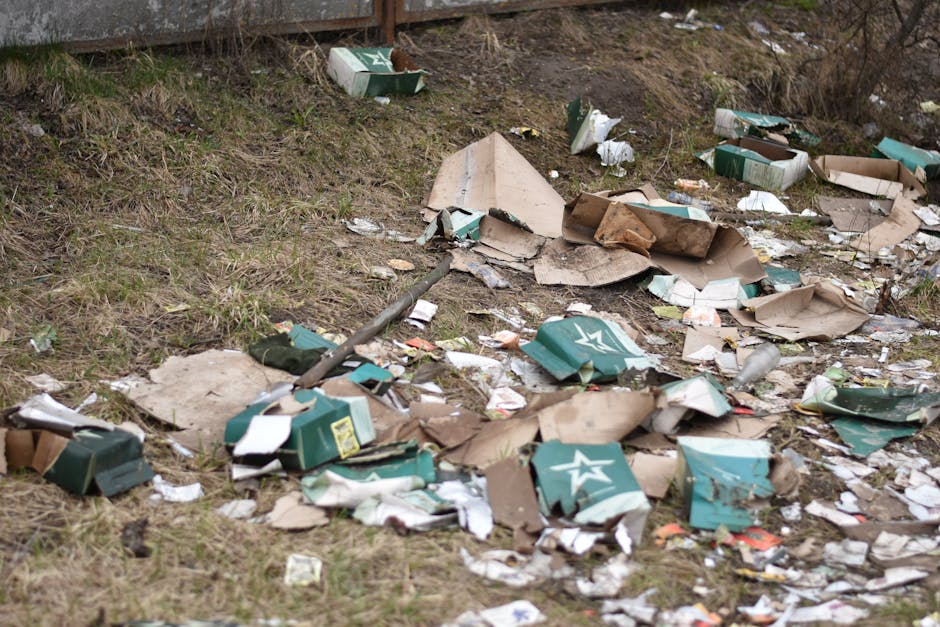
Fly-tipped rubbish is more than an eyesore. Near a woodland edge like Sydenham Hill Wood, dumped waste can spread quickly, attract pests, create trip hazards, and spoil the experience for walkers, dog owners, and nearby residents. It can also block paths, sit hidden in undergrowth, or leak substances into soil if it has been left for a while. To be fair, even a small pile can turn into a bigger problem than it first looks.
There is also the practical side. A fly tip often contains mixed waste, and mixed waste is where the headaches begin. You might find broken furniture, builders' rubble, garden waste, bags of household rubbish, a mattress, a fridge, or items that should never be handled casually. The pile can look harmless from a distance, then the smell hits you up close. Not ideal.
What matters most is acting with care. If the waste is on public land, it may need reporting rather than immediate handling. If it is on private land, the landowner or occupier usually needs to arrange safe removal. In either case, it pays to think first, lift later. That little pause can save a lot of trouble.
Practical takeaway: the safest response is usually to identify the waste, avoid direct handling, separate anything suspicious or hazardous, and arrange removal through a properly equipped service when the job is too large or too risky for a simple tidy-up.
How Sydenham Hill Wood fly tip rubbish removal what to know Works
Removal starts with assessing the scene. That sounds obvious, but it matters. A good clean-up is not just "load it and go". First, the waste needs to be checked for access, volume, and risk. Is it loose or bagged? Is it stacked beside a track? Has it spread into vegetation? Are there sharp items, liquids, or electricals mixed in?
Then comes sorting. Most fly tips contain a combination of recyclable material, general waste, bulky items, and sometimes restricted or hazardous materials. The more mixed the pile, the more carefully it needs to be handled. If you are dealing with domestic rubbish or items from a home clearance, a service that understands general waste removal can be a sensible starting point. For larger household clear-outs, related services such as home clearance or house clearance may also be relevant if the waste has come from a property rather than an isolated dump.
Once the waste is assessed, the removal team plans the load-out. That includes manpower, protective gear, loading method, transport, and where the waste will go next. If there are appliances, old sofas, or mattresses involved, those items often need specific handling. A mattress buried in damp leaves, for instance, is awkward enough. A damaged fridge on a woodland edge is another matter altogether.
After collection, the waste should be taken to a suitable facility for sorting, recycling, or lawful disposal. Reputable operators focus on diverting reusable and recyclable materials where possible. If the waste includes materials that require special care, such as fridges or suspect chemicals, those should be handled under the relevant waste stream. A little boring on paper, yes, but that is exactly what makes the job safer and more responsible.
Key Benefits and Practical Advantages
Choosing the right removal approach brings a few clear benefits, and these are not just nice-to-haves.
- Faster restoration of the area: a clean-up can return a path, boundary, or hidden corner of woodland edge to normal much sooner.
- Lower health and safety risk: trained handling reduces the chance of cuts, splinters, exposure to contaminants, or lifting injuries.
- Better environmental outcomes: waste can be separated for recycling rather than thrown away as one mixed load.
- Less stress for landowners and residents: someone else handles the heavy lifting, literally and administratively.
- Cleaner presentation: whether the waste is near a home, rental property, business premises, or communal access route, the visual improvement is immediate.
For landlords and property managers, there is another benefit that often gets overlooked: documentation. If there is ever a question about what was removed, when, and how, a proper removal process gives you a much more defensible paper trail. That can matter more than people expect.
If the waste came from a renovation, it may also make sense to look at builders waste clearance. If it is linked to a garden strip or outdoor tidying, garden clearance may be the more suitable route. Matching the service to the waste stream is a small decision, but it usually improves cost, speed, and sorting.
Who This Is For and When It Makes Sense
This topic matters to a surprisingly wide range of people. You may think fly-tipping is always a council issue, but in real life it lands on whoever is closest, responsible, or unlucky enough to find it first.
It usually makes sense to arrange removal or specialist support if you are:
- a homeowner with dumped waste along a boundary, alley, garden edge, or driveway
- a landlord dealing with left-behind rubbish after a tenancy
- a managing agent looking after a shared access route or communal land
- a business owner who has found waste near premises or delivery points
- a builder or tradesperson who needs to clear debris from an awkward site
- someone clearing a property that has become heavily cluttered or neglected
There are also situations where the waste is not really a single "fly tip" but a pile-up from a longer process. Maybe a tenant left some bags behind. Maybe builders stacked material in the wrong place. Maybe a garage clearance got abandoned halfway through. In that case, a related service such as garage clearance or loft clearance may be the better fit.
And if your job is mostly furniture-related, the right route can be more specific still. A mix of chairs, tables, wardrobes, and broken drawers points towards furniture clearance or furniture disposal, rather than treating it as generic rubbish. That small distinction saves hassle.
Step-by-Step Guidance
If you want a calm, sensible way to deal with fly-tipped rubbish near Sydenham Hill Wood, use this sequence.
- Check the location. Is the waste on your land, shared access, or public land? That changes what you can do next.
- Look before touching. Note any sharp glass, needles, fluids, food waste, chemicals, or electrical items.
- Take clear photos. This helps if you need to report it, document it, or compare the site before and after removal.
- Keep people away. If children, pets, or pedestrians could reach the pile, create a safe buffer.
- Separate obvious hazard items. Do not mix questionable waste into a general pile if you can avoid it.
- Estimate the size of the job. A few bags and a broken chair are very different from a van-load of mixed waste.
- Choose the right removal route. General waste, bulky items, appliances, and hazardous waste each need different handling.
- Arrange collection and disposal. Make sure the waste is taken away by a service that can handle the type of load you have.
- Confirm the area is safe after removal. Check for nails, broken plastic, residues, and overlooked fragments.
Simple enough on paper. In practice, step two and three are the ones people rush. Then they are surprised later when there is still broken glass in the grass or an oily patch in the soil. A quick pause at the start makes the rest much cleaner.
If access is awkward, or you are dealing with a larger mixed load, it may be worth checking pricing and quotes early so you can understand the likely cost before the waste becomes a bigger nuisance. And if you want to move ahead without too much back-and-forth, you can use book online as a straightforward next step.
Expert Tips for Better Results
Here are the habits that tend to make a removal smoother.
- Photograph from multiple angles. One shot rarely tells the full story, especially where waste is tucked under hedges or beside roots.
- Watch for hidden extras. Bags at the front often hide smaller items behind them. There is always one more tyre, one more plank, one more box. Always.
- Keep wet waste separate if possible. Soaked cardboard, garden clippings, and food waste change the weight and handling of a load.
- Call out anything hazardous early. Paint, oils, batteries, fridges, sharps, and unknown liquids should never be treated casually.
- Think about access. A clear route saves time and reduces damage to paths, gates, or planting.
- Choose recycling-friendly removal where possible. Mixed waste can often be sorted better than people expect.
One thing we see a lot: people spend twenty minutes trying to drag a heavy object by themselves, then realise it would have been easier to stop and plan properly. Truth be told, a tidy removal is often less about strength and more about sequence.
If the rubbish includes appliances or cold storage units, a dedicated fridge and appliance removal service may be more appropriate. If it is mostly soft furnishings, mattress and sofa disposal is worth considering instead of lumping everything into one mixed job. Small categorisation, big difference.
Common Mistakes to Avoid
Most problems with fly-tipped rubbish come from acting too quickly or assuming the job is simpler than it is.
- Handling unknown waste bare-handed. You do not know what is under the top layer.
- Putting mixed waste into the wrong stream. A pile with rubble, soft furnishings, and electronics needs proper separation.
- Ignoring hidden hazard items. A single canister, battery, or sharp fragment can change the risk profile.
- Leaving the area half-cleared. Small fragments, nails, and broken plastic matter more than people think.
- Using a service that cannot explain where waste goes. If a provider cannot talk clearly about disposal and recycling, that is a red flag.
- Underestimating access problems. Narrow paths, overgrown edges, and uneven ground all slow the job down.
A quieter mistake is not asking enough questions up front. What happens to the waste? Is the material separated? What about items that are not allowed in a regular load? It is perfectly fair to ask. You are paying for peace of mind, not mystery.
Tools, Resources and Recommendations
You do not need a warehouse of gear to manage a fly tip responsibly, but a few simple tools can help.
- Gloves: sturdy enough for sharp edges, not thin enough to be decorative.
- Boots: especially if the site is muddy, uneven, or hidden under leaf litter.
- Bin bags or heavy-duty sacks: useful for separating small loose waste.
- A torch: handy for checking under bushes, behind logs, or in low light.
- A phone camera: for documentation before and after the clean-up.
- A tape measure or rough counting method: useful when estimating volume for quotes.
For larger or more complex jobs, professional support is often the most practical tool of all. If you are dealing with mixed domestic waste from a property clear-out, services like flat clearance or home clearance can help where a simple single-item pickup would not be enough. If the waste comes from an office or commercial setting, office clearance and business waste removal may be the better fit.
For anyone trying to work out what can and cannot be loaded with general waste, the page on what can go in a skip is also a useful reference point. It helps set expectations, even if your chosen solution is not a skip at all.
Law, Compliance, Standards, or Best Practice
Fly-tipped waste can touch on several compliance issues, so it is worth being careful. In the UK, waste should be handled by someone who can transport and dispose of it properly, and special care is needed for hazardous materials, electricals, and anything that may contaminate other waste streams. You do not need to memorise every rule, but you do need to avoid the sloppy approach of "just dump it and hope". That is exactly how problems start.
Best practice usually means:
- keeping clear records of what was removed
- separating hazardous or restricted items
- using suitable vehicles and trained handlers
- avoiding contamination of recyclable material
- making sure the disposal route is lawful and traceable
If you are a business, landlord, or managing agent, the compliance bar is even higher. There is an expectation that waste is dealt with responsibly, and that includes the paperwork side as much as the physical collection. A tidy site is good. A defensible process is better.
It can also help to review provider policies around health and safety, insurance and safety, and recycling and sustainability. Those pages are useful because they tell you how a company thinks, not just what it sells. Small detail, but a meaningful one.
Options, Methods, or Comparison Table
Not every fly tip needs the same response. Here is a practical comparison to help you decide.
| Option | Best for | Pros | Watch-outs |
|---|---|---|---|
| Small DIY clear-up | Very light, safe waste in a tiny area | Fast, low cost, simple | Not suitable for sharp, heavy, or mixed waste |
| Skip-based approach | Larger loads from a property or clear-out | Good volume capacity, straightforward staging | Not ideal for inaccessible woodland-edge sites or prohibited items |
| Professional rubbish removal | Mixed, bulky, awkward, or time-sensitive fly tips | Safer handling, sorting, transport, disposal | Cost depends on volume, access, and waste type |
| Specialist hazardous waste handling | Chemicals, sharps, fridges, contaminated material | Properly managed risk | Needs correct identification and careful segregation |
In many real-world cases, the middle option is not the best one. That surprises people. A skip sounds neat in theory, but if the waste is tucked in a tricky spot or includes items that should not go into a standard container, a removal team may actually be the better solution. Sometimes simple is not simple.
Case Study or Real-World Example
Picture a weekday morning after a wet night. A resident near Sydenham Hill Wood notices a pile of dumped waste near the edge of a path: a torn black bag, a broken chair, some flattened cardboard, and what looks like a small appliance. Nothing dramatic at first glance, but the smell is already a clue that the pile has been there a while.
The first sensible move is not to start dragging it around. Instead, the resident photographs the waste, keeps clear of the area, and checks whether anything sharp or leaking is visible. The appliance is the detail that changes things. Even if the rest looks like generic rubbish, that single item means the removal needs a bit more thought.
From there, the waste is assessed, separated where possible, and arranged for collection with a service that can deal with mixed material. The result is not glamorous, but it is satisfying: the path is clear again, the smell is gone, and the site no longer feels like a neglected corner. A small win, but a real one. And honestly, after a while, those are the jobs people remember most.
Practical Checklist
Use this checklist before and during removal:
- Confirm whether the waste is on public or private land
- Take clear photos from more than one angle
- Look for sharp, wet, leaking, or unusual items
- Keep children, pets, and passers-by away from the pile
- Separate obvious recyclables where safe to do so
- Do not touch unknown hazardous material
- Estimate the size and access needs of the job
- Choose the most appropriate removal service
- Ask where the waste will go after collection
- Check the site again after the clean-up for fragments or hidden debris
If you are coordinating the job on behalf of a property or business, make a note of the date, what was removed, and any unusual items discovered. It is a very unglamorous habit, but a useful one.
Get a free quote today and see how much you can save.
Conclusion
Sydenham Hill Wood fly tip rubbish removal what to know comes down to a simple principle: do not treat dumped waste as just a nuisance pile. Treat it as a site that may involve risk, access issues, mixed materials, and compliance responsibilities. Once you slow down and assess it properly, the solution becomes much easier to shape.
Whether you are clearing a small dumping spot, managing a larger private-land issue, or dealing with waste tied to a property clear-out, the safest path is usually the most organised one. Choose the right service, keep an eye on the details, and do not be shy about asking what happens next. A clean site is good. A clean conscience is better, really.
Frequently Asked Questions
What should I do first if I find fly-tipped rubbish near Sydenham Hill Wood?
Start by checking for hazards, taking photos, and keeping clear of anything sharp, leaking, or suspicious. Do not begin moving waste until you know what you are dealing with.
Can I remove fly-tipped rubbish myself?
Yes, sometimes, but only if the waste is small, safe, and easy to handle. If there are sharps, liquids, heavy items, or electricals, it is usually better to arrange professional help.
How do I know whether the waste is hazardous?
Look for signs like strong odours, unknown liquids, damaged containers, batteries, fridges, paint tins, or clinical-type waste. If in doubt, treat it cautiously and keep away from direct contact.
Is fly-tipped waste the responsibility of the council or the landowner?
It depends on where the waste is found. Public land and private land are handled differently, so location matters a lot. If it is on your land, you may need to arrange removal yourself.
What happens to rubbish after collection?
Reputable operators transport it to a suitable facility for sorting, recycling, and disposal. Mixed loads are usually separated where possible rather than simply thrown away as one mass.
How much does fly tip rubbish removal cost?
Costs depend on the volume, access, type of waste, and whether any special handling is needed. A small, easy load is very different from a bulky or hazardous one, so quotes are usually tailored.
Can broken furniture or mattresses be taken away with fly-tipped waste?
Yes, often, but they may be handled as specific waste streams. If the pile includes soft furnishings, mattress and sofa disposal or furniture disposal may be relevant.
What if the waste includes building rubble?
Then you are probably looking at a builders' waste problem as well as a fly-tip issue. Builders waste clearance is often the better match for that kind of load.
Do I need to sort the waste before a collection?
If it is safe and practical, light sorting helps. But you do not need to overdo it. The main thing is to separate obvious hazards and make access safe. That is usually enough.
What if the dumped waste is on private land but I am not the owner?
You should let the landowner, managing agent, or responsible party know as soon as possible. They may need to arrange the clean-up or confirm who is authorised to do so.
Should I book a waste removal service or a skip?
It depends on access, waste type, and volume. For awkward sites or mixed fly tips, removal is often easier. For a larger, controlled clearance on your own property, a skip can be useful. The page on what can go in a skip can help you compare options.
How can I reduce the chance of fly-tipping happening again?
Keep access points secure where possible, avoid leaving waste exposed, and arrange prompt removal of unwanted items. If a site has repeated problems, better lighting, clearer boundaries, and quicker response times can help too.
If you want a cleaner, safer, and more manageable result, the next step is simple: choose the right removal route and act before the pile spreads. Small action now, much less hassle later.